- Continue Browsing
- Your Basket is Empty
No matter who, where or what we are, getting in touch with our true selves is not as straightforward as we'd like. However, our paths through self-discovery needn't be trodden alone. At Cygnus we want to help you on that path but also assist and encourage you to develop a sense of community and oneness with everything around us.
£10.55 £14.99
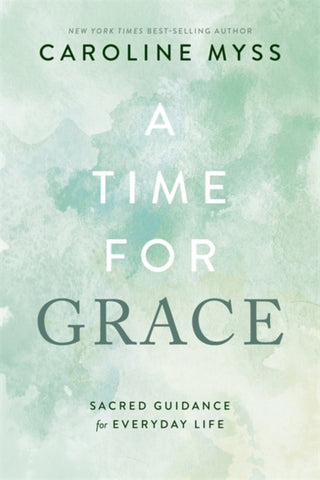
Caroline Myss writes New York Times bestsellers but she is also one of our favourites. Her books are serious and never showy, and there’s very little doubt that she’s the real deal, in both her work as a medical intuitive and her current role as an author and teacher. Originally published as Defy Gravity, this book looks into Grace - what it is and how it works. Why does it only visit us sometimes? What is the key to it? She uses her knowledge and deep reading in the great mystics to try and understand the spiritual aspects of healing in all its forms. It is then hoped that all the material will help us readers engage fully with our soul conversation. It sounds audacious but Caroline can get us there and help us break through the barriers placed around us so that we can become stronger, healthier and more fearless.
256pp, 230 x 152 mm, Paperback, 2023, RRP £14.99

£14.99 £18.99
Many of us at Cygnus love cats and most of us must love spiritual teachings so what’s not to welcome with this book? It’s large-format, hardback and full of amazing art on every page. The illustrations are in different formats: some are watercolours and some are line drawings, and it’s rich and multifaceted. It’s made for adults but it’s written as a fable, as the cat journeys across the countryside meeting various other animals in the quest for a special place where it can easily find peace and understanding. Of course it would make an excellent gift. I have read it once and I couldn’t say whether its teachings will change my life but it will definitely point the reader strongly in the right direction. And I am virtually certain that it will bring calm and comfort to any reader who is lost and searching for the way.
176pp, 238 x 198 mm, Hardback, 2023, RRP £18.99

£14.43 £17.99
We have done exceptionally well with Diana’s book The Golden Future and here is a stunning deck to go with it. I really hope the images on these 44 cards will give you inspiration to help create the harmonious future that awaits us all. The images are amazing and almost literally mindexpanding - a riot of dolphins, rainbows and bright colours. Optimism and idealism are so important to all of us if we want to make this world a better place and co-create this Golden Future - there can hardly be an impulse that is more “Cygnus”. With all the books and decks she has already created, we can say that Diana Cooper is an author we can all trust and this is a healthy dose of creative and constructive visualisation. She says it will raise our frequencies and I very much look forward to it. PUBLISHED IN MARCH.
44 cards and 120-page booklet, 2024, RRP £17.99
£13.99 £16.99
£16.65 £22.00
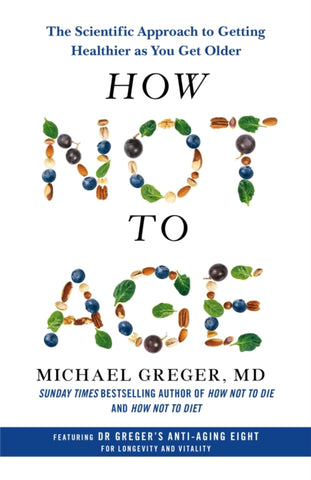
Ageing is a major challenge. It has made me at times anxious and miserable, even though I thought I was fully prepared for the prospect. This book though should be a great help in reminding us of the ways to stay fit, sound and healthy in both mind and body as we grow older. I think this has to be potentially one of the best books on the subject because it’s written by the best-selling author of How Not To Die, which I really liked too. It’s scientifically sound and comprehensive but it’s easy to understand, and the author isn’t trying to push any specific products or regimens. There is praise on the cover from the Daily Mail, Daily Telegraph and from the founder of Whole Foods Market. There are 600 pages of solid guidance here, from constipation to circulation and including the Mediterranean Diet and the Okinawan Diet.
640pp, 243 x 165 mm, Hardback, 2023, RRP £22.00
£8.87 £11.99
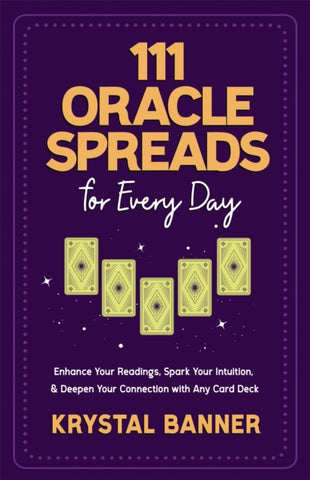
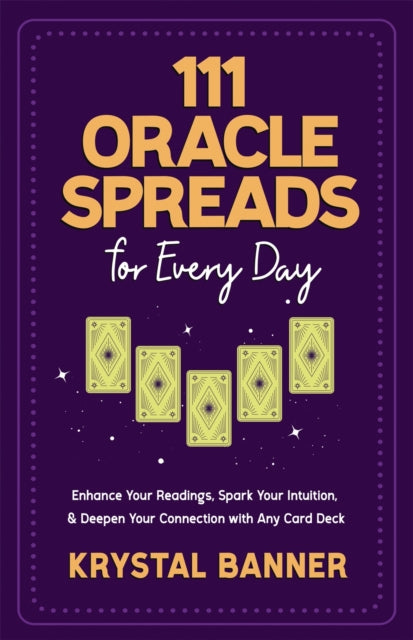
The author here has come up with a very good idea. With all the tarot decks and oracle cards we might have in our possession, we can get fixated on the cards themselves and the imagery there, and then never get round to making constructive use of them. With this book, we can get confident about reading our cards and coming up with the right spread for the occasion. The spreads are divided into 5 categories - general, love, career, spiritual and astrology - and thus we can become even more skilled in our choice. The book is most definitely not attached to any particular deck and it’s clearly laid out to make consulting the text a breeze. It’s not a profound book but it’s incredibly useful for anyone into their cards. PUBLISHED FEBRUARY 6th
160pp, 216 x 135 mm, Paperback, 2024, RRP £11.99
£7.76 £10.99
Here is another book in Hay House’s “21 Days” series that is intended to offer quick and practical introductions to various spiritual traditions and skills. All of them up to now have been taken from earlier ebooks but this material is completely new. Sonia is a skilled and bestselling author, ideal for this material. Studies have shown it takes just 21 days to establish a new habit so this is how to start. Your intuition is the voice of your authentic Self and developing your intuition allows you to recognise that you are a spiritual being, and to connect with the sacred gift that is your sixth sense. This easy-to-follow guide is packed with intuitive guidance, expert teachings, and practical exercises that will help you to trust your vibes so you can live fully, freely, and joyously. PUBLISHED FEBRUARY 13th
192pp, 197 x 130 mm, Paperback, 2024, RRP £10.99
£9.98 £13.99
Amy Leigh Mercree is a gifted healer, spiritual teacher and medical intuitive, and in her spare time she is also a prolific author. Here she looks at auras, fusing her knowledge of particle physics and spirituality in her examination into the truth behind these electromagnetic fields. We learn about energy fields, quantum mechanics in action and how to “see” auras with her observational techniques, then how to understand what we see with her broad investigation of colour meanings. There are also chapters on cleansing auras, shamanic aura work and medical intuitive aura healing. It’s both a fascinating guide and a useful tool to help us manifest our best life. PUBLISHED FEBRUARY 13th
280pp, 216 x 135 mm, Paperback, 2024, RRP £13.99
£12.77 £16.99
In this fascinating and comprehensive guide to Vedic astrology, the author, a practising astrologer, shows us the elements that he has identified over the years as ones we must know to allow an effective consultation. He has distilled this into his Seven Skills, from learning the basics of chart interpretation and synthesising the multiple meanings of a chart, to applying corrective measures to improve the quality of a chart and using companion Vedic systems like Ayurveda to interact with it. As a beginner I found this very helpful, and it makes the rest of the guide more approachable. Vedic astrology is clearly fascinating and revealing, and this book is a great starting point into discovering more about what it can tell us.
416pp, 228 x 152 mm, Paperback, 2023, RRP £16.99
£13.32 £18.99
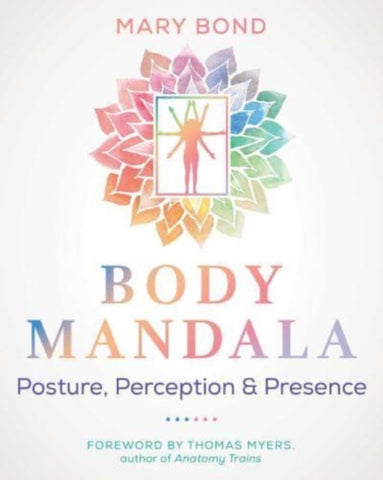
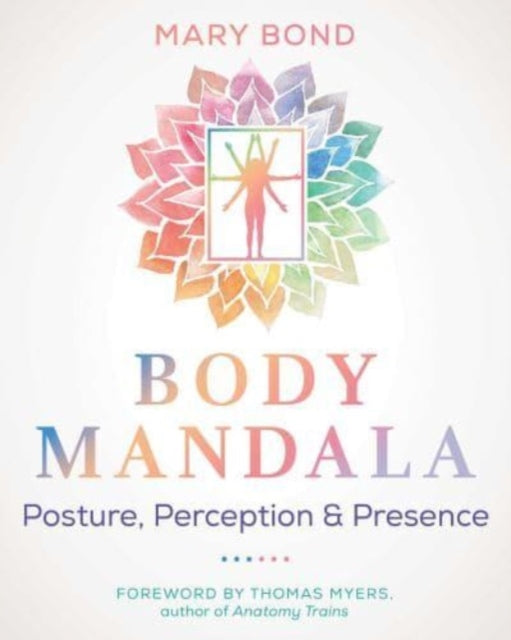
I think a lot of us need a book like this. Our emotions and feelings are so blocked and held down in different parts of the body, and we can’t release them by thinking it through or consciously emoting. This author is trained in Rolfing but we are also finding out more and more right now about embodiment and there are many other insights on all sorts of subjects contained in this book. It’s large-format, so it feels like a workbook and there are also more than fifty self-exploration exercises, plus diagrams and drawings. There are links to audio and video instructions. There are also great endorsements from professors, practitioners and medical specialists. The book awakens us to an awareness of the personal mandala formed by our body and its movements, to make us conscious of that body and thus make us more humane beings.
288pp, 254 x 203 mm, Paperback, 2024, RRP £18.99
£8.87 £11.99
This book has been heartily recommended by a host of eminent yoga teachers who agree that it will suit both beginners and more experienced practitioners who want to revisit this most important yoga technique. The author is a scientist and yoga practitioner who has studied for decades in the traditions of T. Krishnamacharya and T.K.V. Desikachar, so he has a broad and experienced view of the process. He has distilled his knowledge neatly into a concise handbook which includes advice, instructions, illustrations and exercises backed up by encouragement and inspirational anecdotes. He promises that with just 10 minutes of our time per day we can improve our breathwork and build towards enjoying a more open, upright posture, speaking more confidently and having a deeper sense of well-being.
144pp, 216 x 140 mm, Paperback, 2023, RRP £11.99
£10.55 £14.99
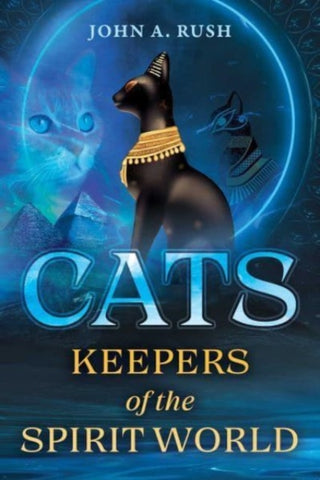
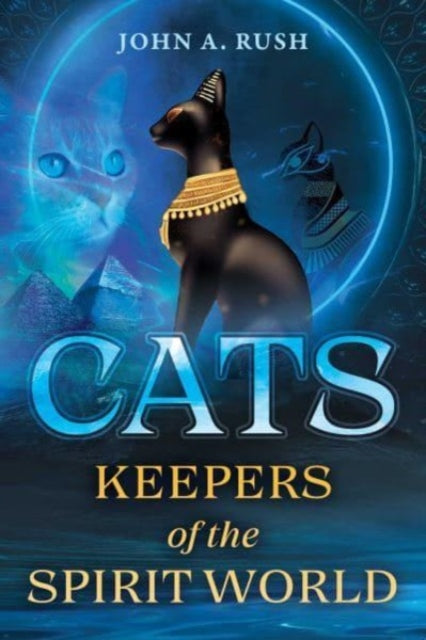
I remember being fascinated by statues of Egyptian cat and lion goddesses which seem to have a hypnotic power over onlookers. Human beings have always had close connections with both cats and dogs, but I don’t recall many dog goddesses or any dog worship in many cultures. What is it about cats? This is what is explored in this book. They prefer darkness and are night-time predators. They don’t seem to need our attention, and these things make us not quite trust them. Yet in addition to their connection to the dark and the shadows, their intelligence, sophisticated physical abilities, and finely tuned senses also led many cultures to view cats as connected to the spirit world. The author examines the spiritual beliefs around cats from Mayan, Aztec, and Native American mythology as well as from ancient India, Babylon, Japan, and Egypt. By the end maybe we are a little bit wiser about them.
208pp, 228 x 152 mm, Paperback, 2023, RRP £14.99
£13.88 £19.99
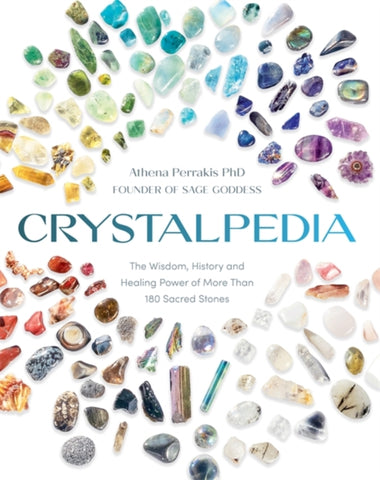
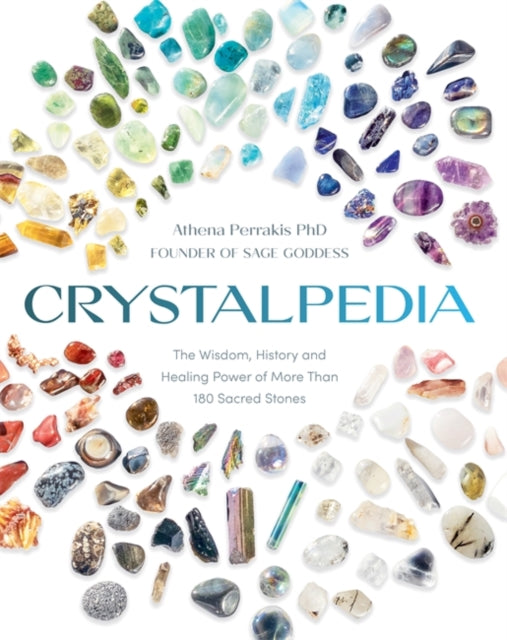
There have been a lot of crystal books recently, I must admit. Because this one is published by Hay House it is priced for the UK market so it will be extremely good value. If you don’t already have a glossy, full-colour, inspiring crystal reference book, I would thoroughly recommend this one. The author is the founder and CEO of Sage Goddess, the world’s largest source of sacred tools and metaphysical education, so she is an absolute go-to authority on this. She started her quest for knowledge when she was diagnosed with multiple sclerosis and wanted to heal herself the best she could. Stones I think are ideal companions in troubling times because they are solid things that you pick up but also they work on light and energy - you can see this in the way that they refract and reflect the sun’s rays.
368pp, 255 x 204 mm, Paperback, 2023, RRP £19.99
£12.21 £15.99
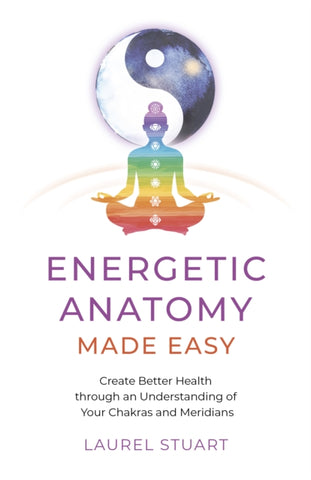
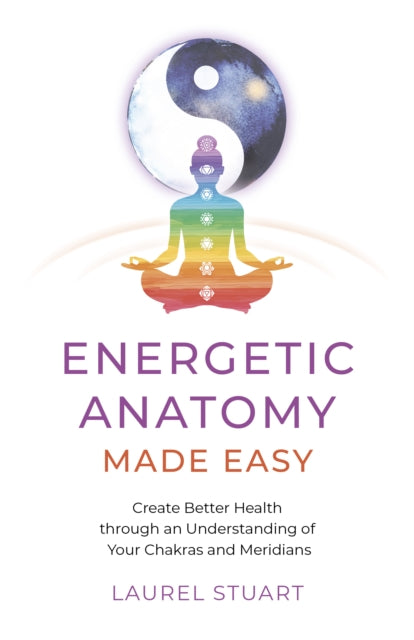
While this book was written with yoga students in mind, it is a fascinating read for us all. It’s both a guide book and an analysis of the relationship between the chakras of 20th century yoga and Traditional Chinese Medicine, so we not only learn about techniques to use to promote our health, but also enjoy a study of Western yogic traditions and Taoist wisdom. Each chapter looks at a specific chakra, and contains yoga practices, techniques to stimulate acupoints using massage and sound, affirmations to use and also recipes to show us how to physically feed both the energetic and physical bodies. The chakras addressed are the Root, the Sacral, the Solar Plexus, the Heart, the Throat, the Brow and the Crown, plus there are 3 yoga glossaries to help us with postures and terms.
216pp, 216 x 140 mm, Paperback, 2023, RRP £15.99
£12.21 £15.99
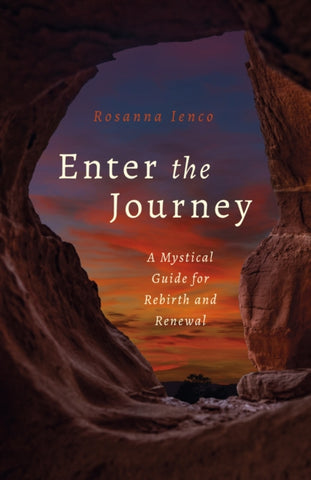
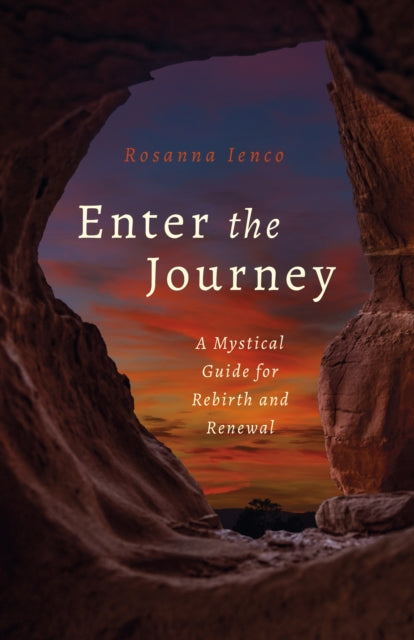
Shamanism is a spiritual path that lends itself to great stories. Here we have a narrative account of Rosanna’s adventures all around the world as she tries to make her way into the light and towards selfrealisation. Two of the great writers in contemporary shamanism – Sandra Ingerman and Denise Linn – endorse this book, and I think again this indicates the sort of book this is. It’s an optimistic book that will make the reader positive about finding meaning in life and about their own hero’s journey. It’s full of mysterious hidden teachers and strange encounters as she travels from Arizona to the Arctic via Australia. What’s innovative about this book is that she also offers visualisations based in some of these places so that we too – albeit remotely – can profit from their power.
240pp, 214 x 140 mm, Paperback, 2023, RRP £15.99
£10.55 £14.99
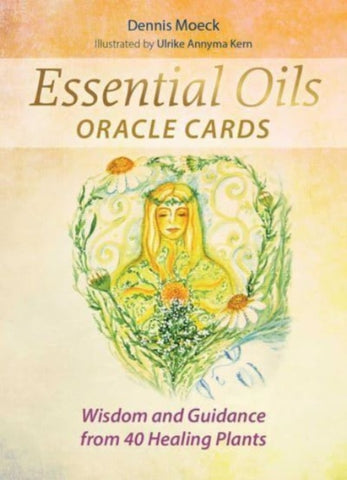
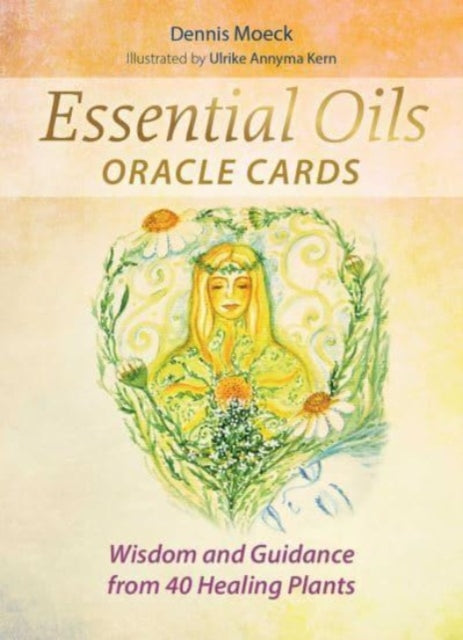
This deck is a bit different because, even though it is quite rightly called an Oracle Deck, each card does actually contain a wealth of information on the plant it’s covering. So there’s no attempt to make the card anonymous and instead if you wanted to choose one at random, you would have to look the other way while you were picking it. Plants covered include most of the favourites - Basil, Ginger, Patchouli and Cedarwood, for example. Every one of course is one that can be made into an essential oil. One side shows an uplifting message and on the other is an affirmation along with a bit of history, information on usage and a few words on the effects. The illustrations are very child-like and not to everyone’s taste but they are very spiritual.
40 cards and 16-page booklet, 2023, RRP £14.99

£18.87 £19.99
Kirsten Hartvig is an acclaimed nutritionist, medical herbalist, and registered naturopath and the author of this marvellous, comprehensive handbook of natural nutrition, which tackles the complicated nature of using food for your health in a clearly laid out and approachable way. The first part of the book goes into detail about nutrition, from the five basic nutrients and calorific values to dietary deficiency and energy. In the second part we learn how foods stimulate the body’s natural self-healing ability, and the role of specific nutrients in treating everyday ailments, alongside advice on diets and dieting, and naturopathic health principles. As I said, it’s comprehensive so you’ll feel confident in trying to use diet and nutrients in helping you deal with a wide variety of issues.
240pp, 228 x 152 mm, Paperback, 2023, RRP £19.99
£14.43 £16.99
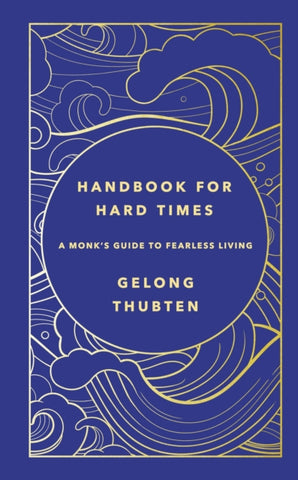
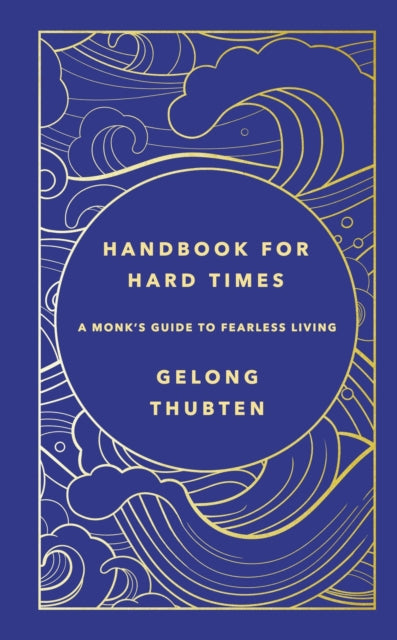
I can thoroughly recommend this book. It looks great - it’s a hardback with gold leaf on the cover. It’s endorsed by Annie Lennox and Ruby Wax. The author is a Tibetan Buddhist monk but he was born in the UK so you feel he is familiar with “the Western experience”. The most interesting thing is that he is deeply immersed in Tibetan practice but he has also suffered from profound depression and anxiety, which didn’t just end when he was ordained. In fact he describes an attack that he had when he had just started a four-year meditation retreat on a remote Scottish island. So you feel that he knows what he is talking about when he offers teaching on challenging mental states, and that the meditations and techniques he offers in this book are going to be a great help if we suffer from depression or anxiety.
224pp, 223 x 141 mm, Hardback, 2023, RRP £16.99
£10.55 £14.99
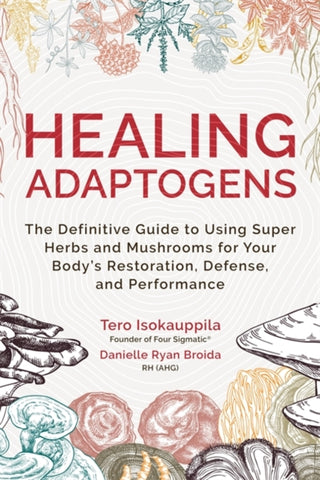
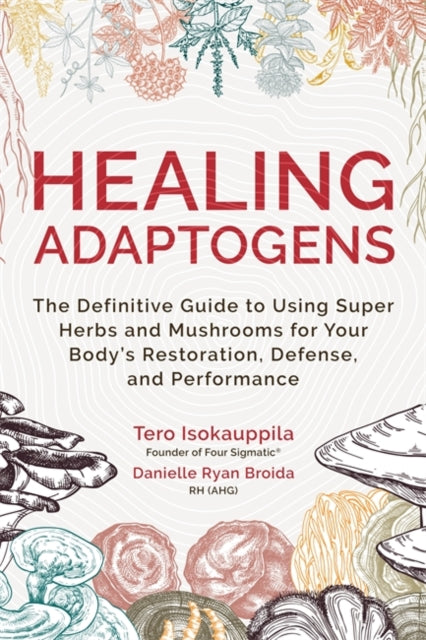
What are Adaptogens? Fundamentally they are super plants and functional mushrooms whose health benefits have been known and used over the centuries to help with energy, stress, mental function, immunity and more. They include Turmeric and Cacao and around 700 species of fungi but this book focuses on just the top 21. Neatly dividing them into 3 main categories - Defend, Perform, and Restore - the authors then analyse the science behind how they work, including how they interact with our bodies and what they are made of so you can focus on those that have the properties that fit your needs. This enjoyable book also includes advice on getting the best quality adaptogens and has a handy shopping guide. This book was previously in hardback.
256pp, 229 x 152 mm, Paperback, 2024, RRP £14.99
£12.21 £15.99
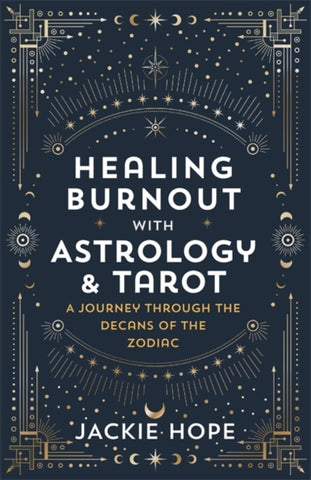
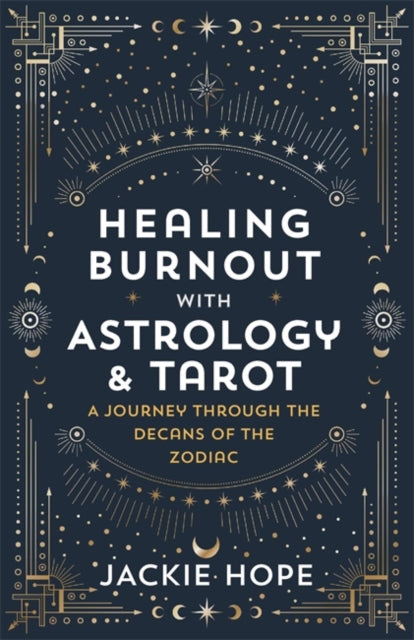
This book is a unique fusion of tarot and astrology, centred around the decan system within astrology – in which signs are split into three detailed sections, based on degrees – and introducing the concept of tarot correspondences, which can be used alongside the decan system in a detailed journey of reflection over the course of a year. It’s well written and approachable, and every chapter (centred round one decan) includes background and information plus exercises, affirmations, rituals and suggestions on when to turn to oracle or tarot cards for a deeper push. PUBLISHED FEBRUARY 20th
312pp, 216 x 135 mm, Paperback, 2024, RRP £15.99
£10.55 £14.99
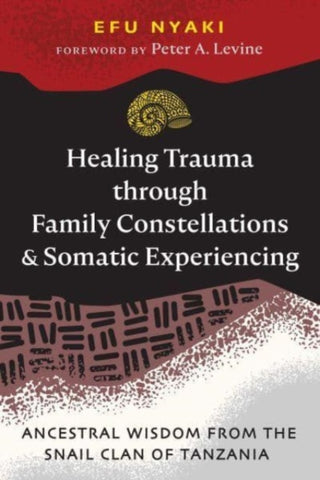
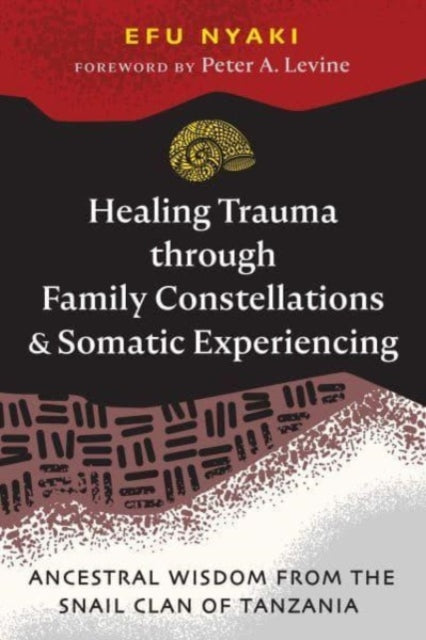
Peter Levine started developing Somatic Experiencing 50 years ago and his work has gone from strength to strength. Somatic body work in various forms is now everywhere. Peter wrote the foreword to this book. Efu tells the story of the Snail Clan in Tanzania where she comes from and how that people would use snails to heal wounds. She developed that wisdom along with other strands – especially the two mentioned in the book’s title – to help women in her community to heal trauma, and she now does the same work in Brazil. This is her story and it includes accounts from around the world of healing and recovery. It also guides us with practical exercises for healing ourselves.
192pp, 229 x 152 mm, Paperback, 2024, RRP £14.99
£10.55 £14.99
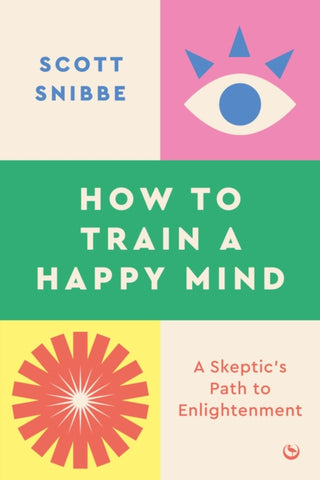
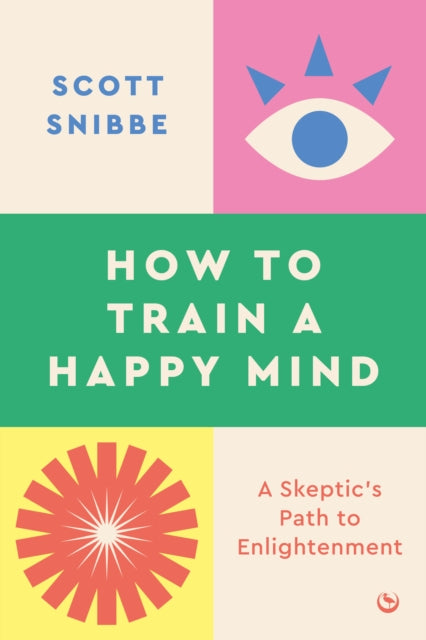
Scott Snibbe perfectly describes his book as A Path for Buddhist Experts Adapted for Sceptical Beginners. A Buddhist himself, he has taken elements of the ancient path to enlightenment and presented only those that modern science and psychology can back up, thus shedding those pieces of the path that those new to both Buddhism and meditation may find difficult to accept or understand. However, what remains is still thoughtful and provides in-depth context as he takes us through his 8 stage programme designed to help us build positive mental habits and train the mind towards more helpful thought patterns. Each stage includes guided visualisations and other tools needed to reach the best version of ourselves by letting go of the problems that hold us back.
248pp, 216 x 135 mm, Paperback, 2024, RRP £14.99
£9.44 £12.99
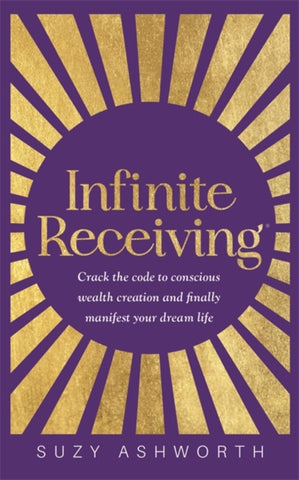
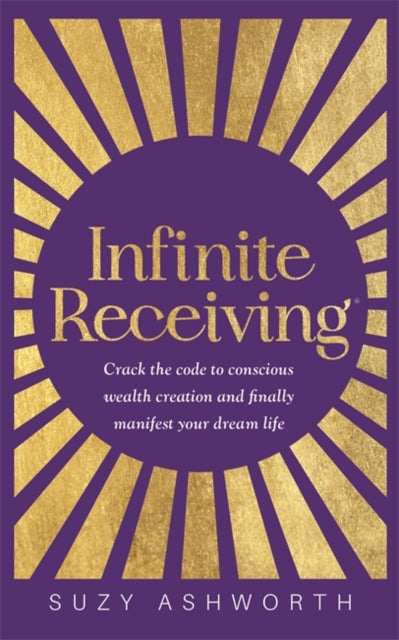
When you get a review from Kyle Gray, you know you have to pick up the book: “When I got the news that Suzy Ashworth was finally writing this book, I was so excited for the world! …This book is a must for anyone who’s ready to live a full and whole life filled with prosperity in all forms.” Ashworth has a fresh and invigorating approach to helping us to receive all the wealth we desire, whether it’s financial or emotional, and her vision is that, using her Four Pillars, she’ll help us tap into and energetically align with a frequency that unlocks a whole new world of joy, abundance, and ultimately – perhaps most importantly – a whole new level of peace. PUBLISHED FEBRUARY 6th
272pp, 216 x 135 mm, Paperback, 2024, RRP £12.99
£14.43 £17.99
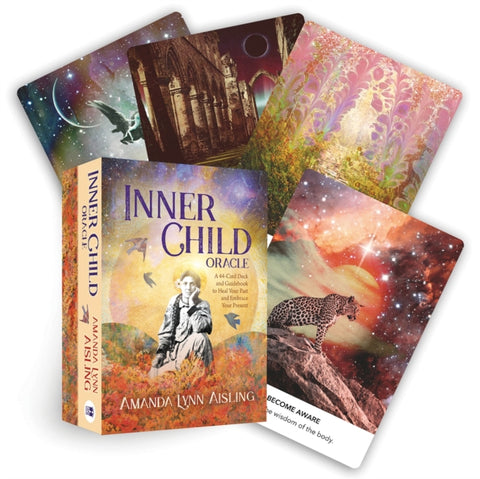
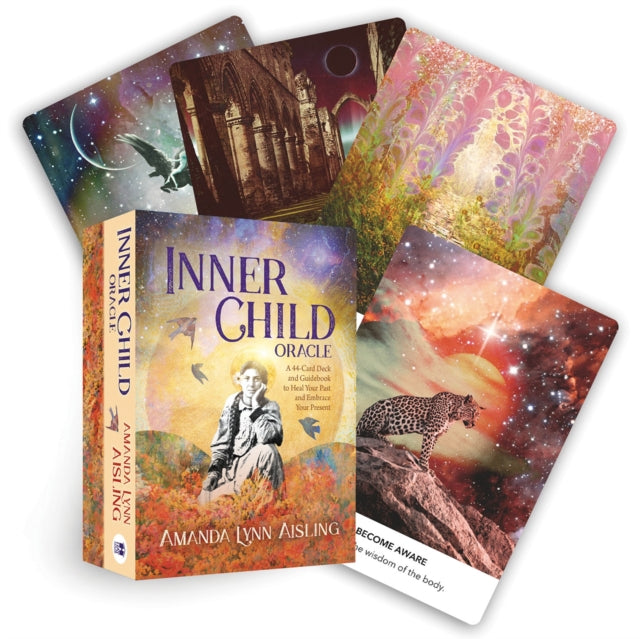
So this isn’t really a neutral divination deck that has no deeper connection with you and is only designed to give an “answer”. Rather it’s very much designed for inner child work, for people who are on that journey or embarking on it, and who would like to add a source of inspiration or mystical guidance to that process. There are 44 numbered cards and the imagery on them is in that photographic collage style, with dreamy images of beautiful places, supernatural beings and mysterious temples. There’s a headline on each card, followed by advice. Thus we have: You Know The Way: Trust Your Intuition On This Journey and It Is Okay To Be Misunderstood: Perception is not always Based on the Truth. It’s a deck for healing your wounds and supporting further growth.
44 cards and 112-page booklet, 2024, RRP £17.99
£10.55 £14.99
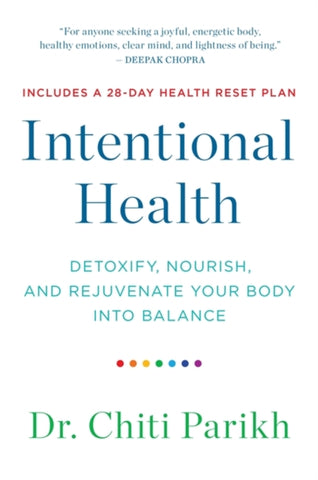
The author is the executive director of the Integrative Health and Wellbeing Programme at New York-Presbyterian Hospital and a clinical professor at Weill Cornell Medical College, so there’s no doubting her expertise. In this book she is presenting a generous guide to whole-body health that completely integrates traditional Eastern and modern Western healing practices. This approach provides the steps you can take to bring your body into a lasting state of balance and live a longer life with more energy, less pain, and renewed confidence. She advises you on setting a positive health intention and also provides a 28-day health reset plan to jump-start your journey to optimal health. In the end health is not the mere absence of disease but it’s living a life full of energy and manifesting your true potential.
256pp, 229 x 152 mm, Paperback, 2024, RRP £14.99
£9.98 £13.99
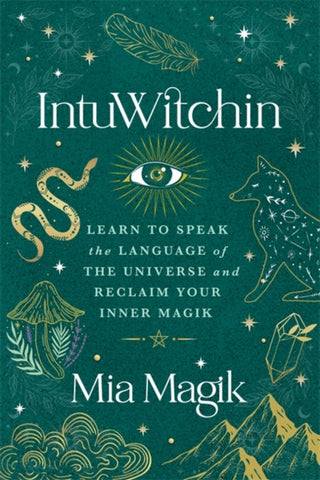
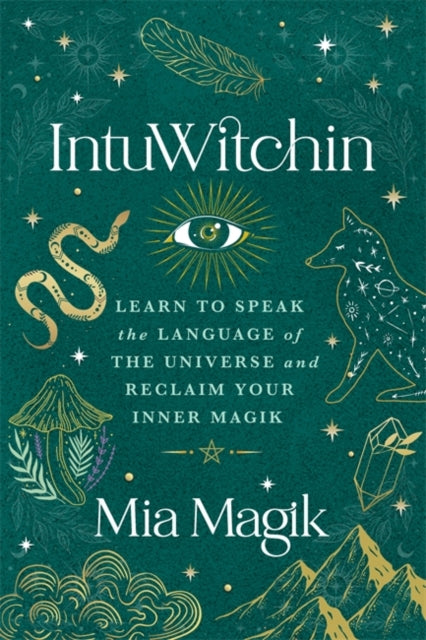
Intuwitchin is full of positive bright energy and it’s very motivating. It is written for younger people or at least the younger at heart so be prepared for that. As you might guess, it very much focuses on intuition, which for her is the power that takes you past the superficial and the everyday and that puts you in touch with something magical. It contains many rituals, magical practices, journalling prompts etc that will help you on your way. None of it is new or surprising – there is material about tarot, astrology and numerology for example – but I think it would be ideal for a beginner or even someone more experienced who is feeling a bit jaded. I like it: the author is well-versed in modern concepts like being wounded and manifestation, but she writes well and includes plenty of illustrative stories.
264pp, 229 x 152 mm, Paperback, 2024, RRP £13.99
£15.54 £22.99
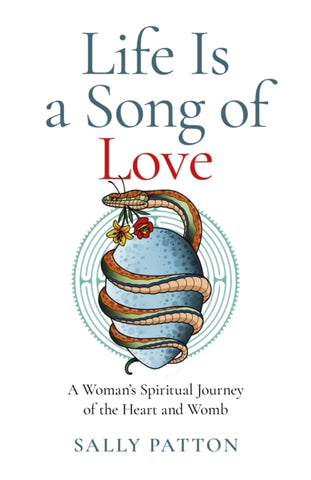
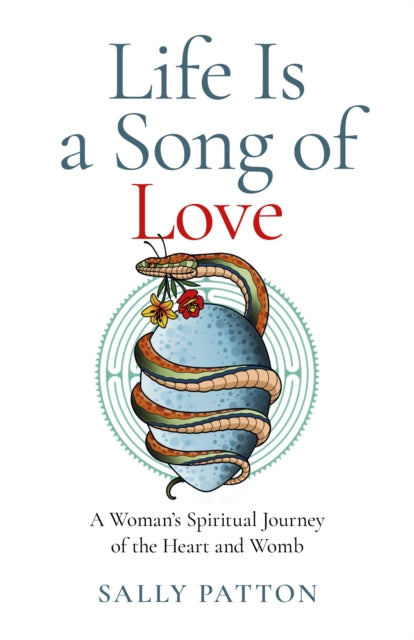
Patton didn’t start to write this book until she was 68 and had already been on a long, thoughtful spiritual journey described in this book with intensity, love and passion. Her narrative is centred around her analysis of the divisions caused by the domination of the patriarchy for so many years; she believes that this domination has caused divisions everywhere, not just between men and women, and that by acknowledging this, we can start to heal them and journey towards wholeness. She draws upon channelled non-dual teachings from Yeshua and Mother Mary, combined with a variety of teachings from many faith traditions and spiritual paths. The resulting book is both joyful and optimistic.
416pp, 313 x 246 mm, Paperback, 2023, RRP £22.99
£19.98 £27.99
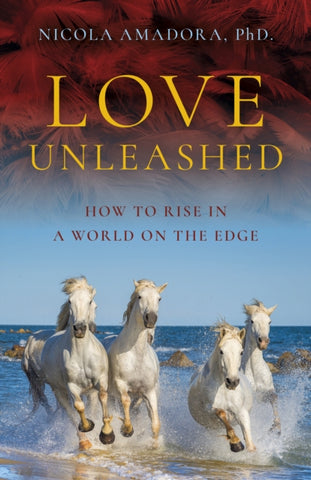
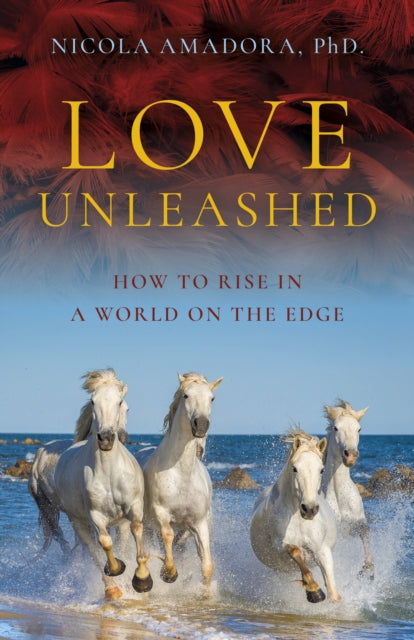
“I know firsthand that love’s presence does turn lives around, and what is possible for our planet through its brilliance. Love is an answer for hungry people and a world on the edge.” Nicola Amadora has written this book with passion, purpose and above all love. It’s an epic, but it’s so authentic, powerful and at times moving, that you want to keep reading it, jumping ahead from chapter to chapter to see what’s next, what stories, wise words of wisdom and pertinent and practical suggestions are coming. Amadora started from such absolutely dreadful beginnings (she tells us about them) that her ability to be filled with love herself and share it with us is nothing short of a miracle. It’s an expensive book but totally worth it.
488pp, 216 x 140 mm, Paperback, 2023, RRP £27.99
£14.43 £17.99
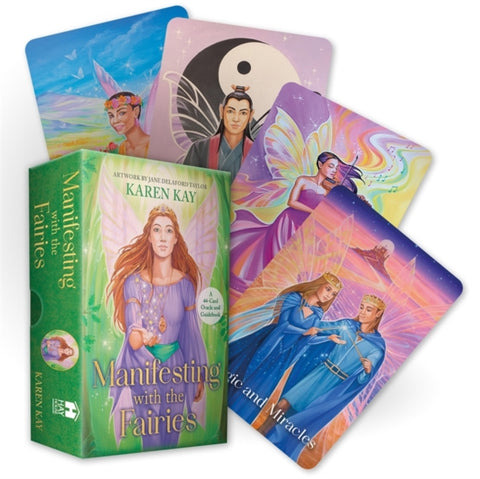
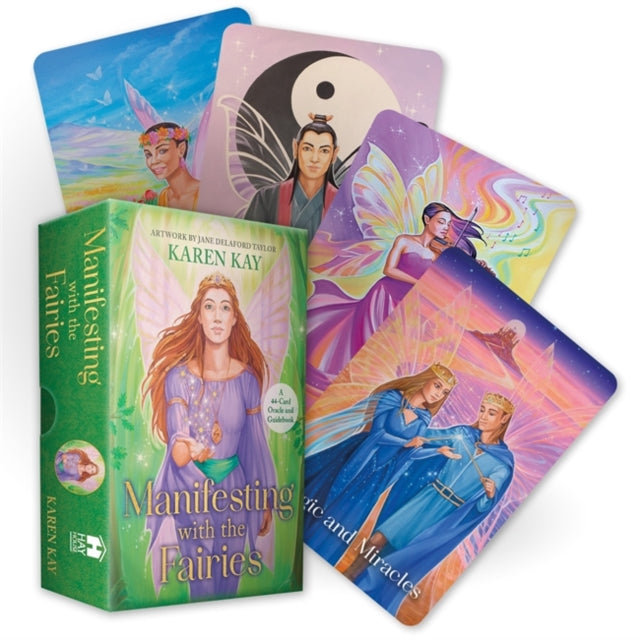
Call upon the fairies to grant your wishes with this magical oracle from a renowned fairy expert. Karen calls fairies the Earth’s original manifesters, and she shows you how to call upon their kindness to bring forth your deepest desires. The deck consists of 44 cards and a guidebook, which offers many spreads and suggestions for working with the cards. Each one will show the wish a particular fairy is granting, along with affirmations and ways you can manifest this wish, all of which is explained in the guidebook. The fairies come from different traditions around the world and aren’t all the classic fairies of our culture. It’s very much “in the light” and doesn’t show the fairies as very complicated or challenging. As you deepen your connection with the fairies, you’ll discover how to open up to your inner power and strengthen your intuition.
44 cards and 136-page booklet, 2023, RRP £17.99
£17.76 £25.00
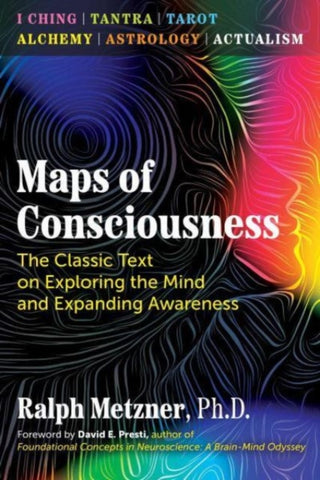
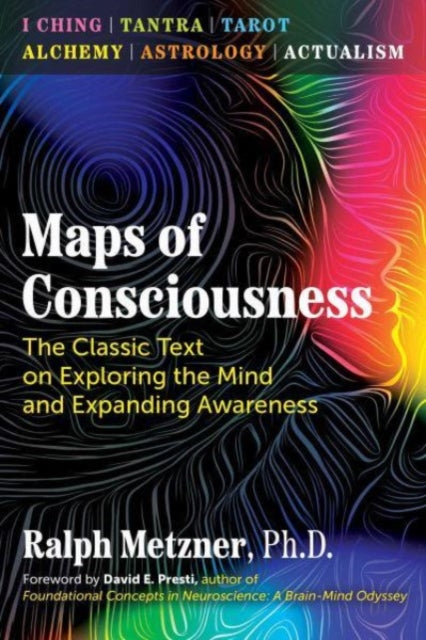
Ralph Metzner was an undoubted pioneer of the consciousness explosion of the mid-twentieth century. He worked at Harvard with psychedelic pioneers Timothy Leary and Richard Alpert (later Ram Dass) and wrote this classic in 1971, which is republished here with all its original diagrams. At the time people’s minds were being opened up and they were full of enthusiasm to explore new ways of continuing their journeys and Metzner describes in some detail and with deep knowledge six disciplines available to help with this: I Ching, Tantra, Tarot, Alchemy, Astrology and Actualism. The latter is the only discipline that isn’t well-known today. This is a great primer on these fields from one of the great minds and you can pick up on the optimism of the time when it was first published.
320pp, 228 x 151 mm, Paperback, 2023, RRP £25.00
£9.98 £13.99
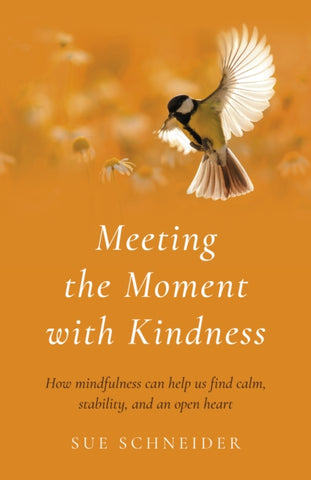
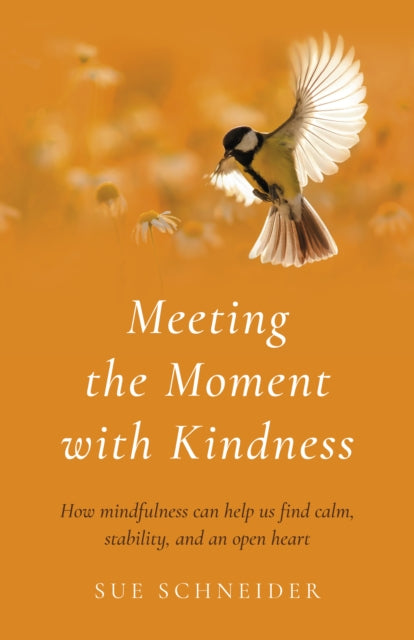
Sue Schneider is a medical anthropologist, integrative health coach and certified mindfulness instructor, and brings this wealth of knowledge and experience to this thoughtful new look at mindfulness in everyday life (and how to achieve it!). While drawing on neuroscience, psychology, contemplative studies and compassion research to bring as much heft to her narrative, she also shares her personal experiences, classic Buddhist teachings, insights from her students and even the wisdom of her son to make it all the more relevant to the reader. Chapters include Meeting our Unconscious Habits, Remembering to Pause and Attune and Freeing Our Compassion Energy and at the end of each there are short practices designed to help our awareness.
184pp, 216 x 140 mm, Paperback, 2023, RRP £13.99
£9.44 £12.99
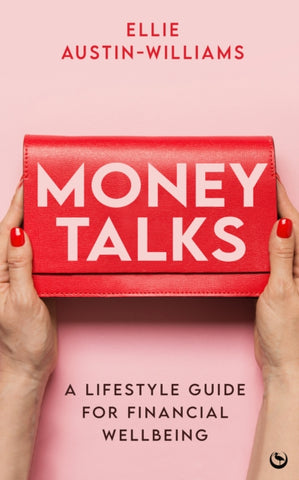
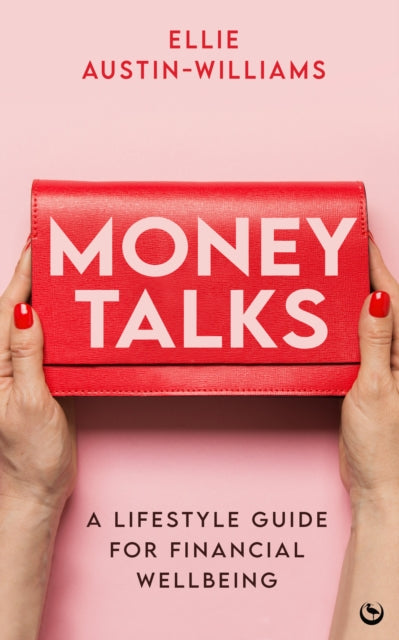
Ellie Austin-Williams is a financial journalist with her own online community which she created to open up the conversation around money, especially from a woman’s perspective. It’s refreshing to find someone actually confronting the stresses and strains of dealing with finances, an area of life so often pushed under the carpet and one a lot of people find difficult to manage. With this book she is sharing her knowledge and experience across all the aspects of life that are affected by money - work, relationships, family, work/life balance, peer pressure, cultural expectations and the sometimes disastrous effects of not knowing enough to make sensible decisions. It is well-written, comprehensive, reassuring, and empowering in equal measure, so a great gift for anyone you know who is starting on or in the midst of life’s journey.
192pp, 216 x 135 mm, Paperback, 2024, RRP £12.99
£13.32 £18.99
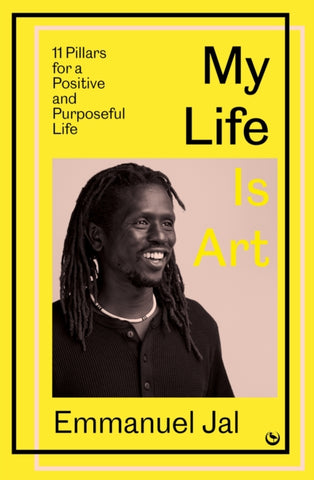
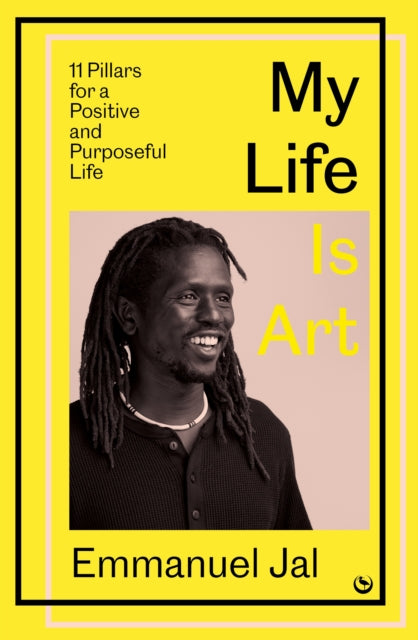
You may know Emmanuel Jal from the documentary War Child, or from Children in Need. Growing up in Southern Sudan he witnessed atrocities that drove him to become a child soldier, so he has seen and experienced many truly awful things, but in his introduction he tells us that even as these things happened, “...pillars of support were building beneath me. Together they would form a structure of such solidity that even the all-consuming grip of the worst sinking sands would never be able to topple either it or me”. In this book he describes these pillars and reveals the strength and positivity they have given to him and he hopes in turn to us. Each pillar has a name: Meditation, Yearning, Leading, Ideas, Focus, Endurance, Intuition, Sagaciousness, Action, Read, Train, and if you look closely, they explain the title of his book. This is both a powerful and approachable guide to transforming our lives.
336pp, 237 x 159 mm, Hardback, 2023, RRP £18.99
£13.88 £19.99
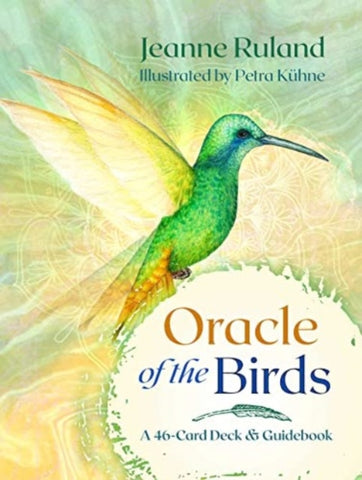
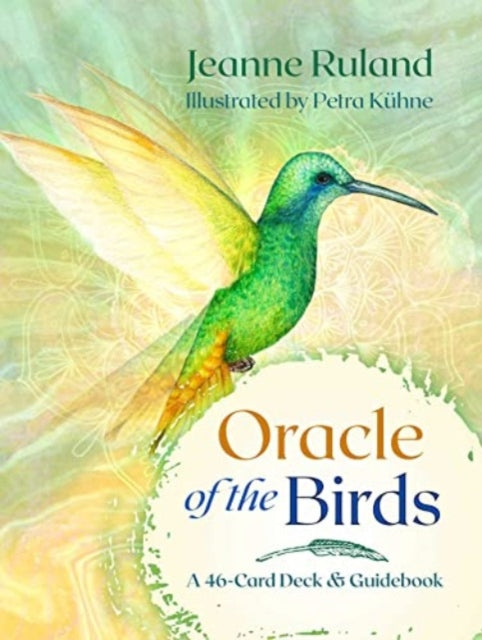
far from, but they are also able to take flight and ascend to great heights and travel great distances. They are capable of looking transcendently beautiful. This very straightforward deck honours them and takes inspiration from them. There are 46 cards and an illustrated book. Almost all the cards feature birds, including penguins, flamingos and crows, most of which should be familiar to us. There are also cards featuring the nest, a feather and an egg. There are also mythical birds like the garuda, the phoenix and the ba-soul bird. As well as a beautiful colour image and the name of the bird, the card also includes the main inspirational aspect of that bird and an affirmation based on this. This is a deck both for divination and affirmation.
46 cards and 112-page booklet, 2023, RRP £19.99
£13.88 £19.99
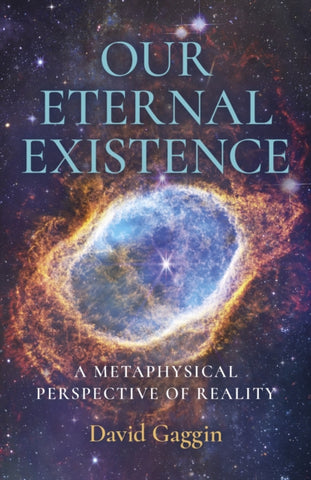
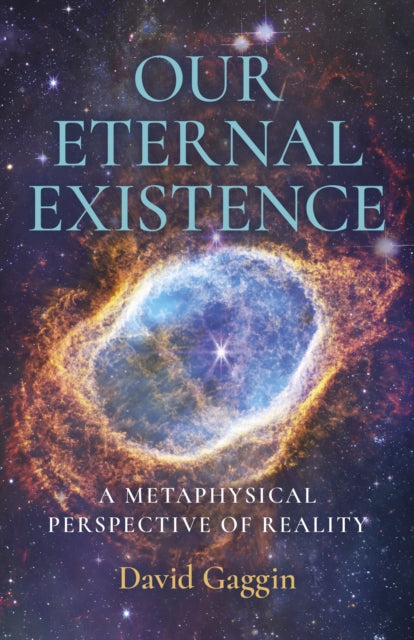
The author has always been gripped by the eternal existential questions that a lot of us ask: Who Are We? Where Are We? and Why Are We Here? He became dissatisfied with the answers that were offered by mainstream science and philosophy so he turned to the cosmic voices - the channelled voices, the psychics and the remote viewers, for example. He sought out the messages and viewpoints that were consistent and he then sums it up in this book. It’s ambitious but not daunting and overall it’s a great overview of the esoteric and metaphysical worldview. One of the endorsers calls it an “encyclopedia of spirituality”. It’s not anecdotal or full of personal accounts but it’s very interesting and we can quite happily disagree with aspects of it if it means we get clarification on how the world might really be.
312pp, 217 x 140 mm, Paperback, 2023, RRP £19.99
£13.32 £16.99
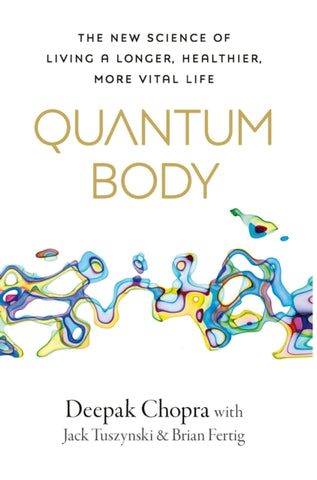
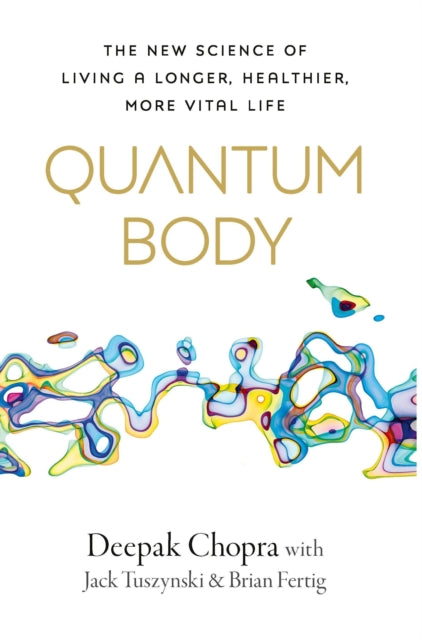
I think we know and trust Deepak Chopra well enough to be excited when a new book from him is published. Here he collaborates with physicist Jack Tuszynski and endocrinologist Brian Fertig to explore the challenging and exciting world of quantum science, demonstrating how unlocking its secrets can revolutionise how we live and age and ultimately how we might eradicate disease, based around the quantum body. This lack of awareness of the most crucial part of ourselves negatively effects our lives every day. Through a powerful combination of prescriptive exercises and innovative research into the quantum world, this book unveils seven breakthroughs that will revolutionise the future of everyone’s well-being.
336pp, 223 x 141 mm, Hardback, 2023, RRP £16.99
£9.44 £10.99
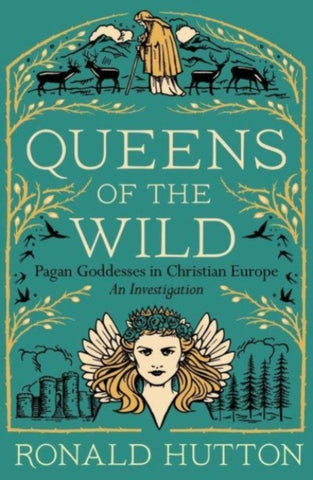
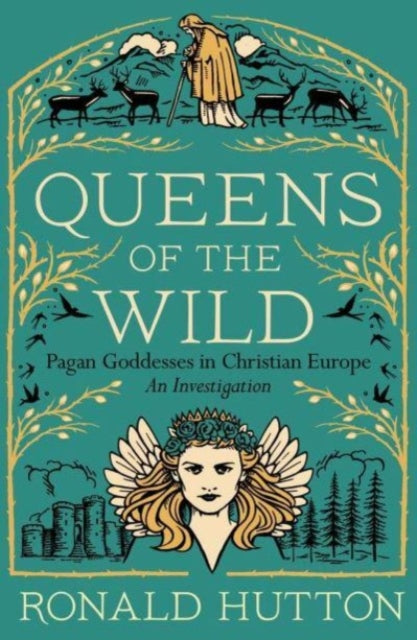
This is a fascinating book which sheds an analytic light on various goddesses and mythical figures in the mythology of these islands. Professor Hutton is an ally of pagan beliefs but here he actually does a lot of debunking. However the text is fascinating and what he finds out serves as a corrective to a lot of possibly lazy attitudes people have when it comes to apparent folklore. He looks at four stalwarts of our mythological pantheon: Mother Earth, the Fairy Queen, the Lady of the Night and the Cailleach. He looks at their origins in our culture and – instead of underlining their genesis as pre-Christian figures that survived the Christian takeover – he finds that they actually emerged in later years, after the advent of Christianity.
256pp, 198 x 128 mm, Paperback, 2023, RRP £10.99
£11.10 £12.99
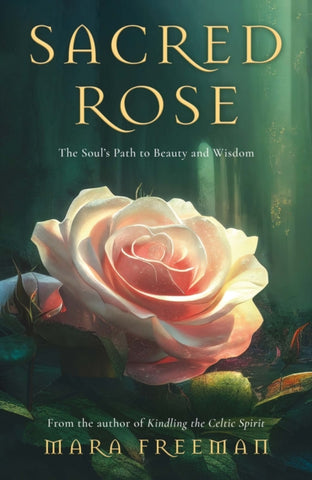
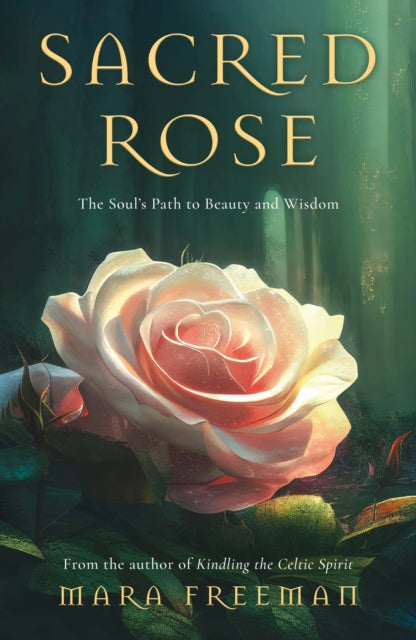
This is a truly mystical book which uses the rose in art and spirituality as a way into the deeper recesses of the soul. The Rose Garden has always been a powerful metaphor and the author explores it fully, quoting from poetry and prose. There are also lovely colour images, of illuminated texts and ancient tapestries, and of classical statues and tarot cards. Chapter titles include The Alchemical Rose, The Rose Upon the Cross and The Secret Rose of W.B. Yeats. The author also considers the meaning of that classic 20th century mystical poem group, T.S. Eliot’s Four Quartets. The book goes beyond literary studies and includes profound meditations that will take you to another level. Overall it’s fantastic value.
216pp, 198 x 129 mm, Paperback, 2023, RRP £12.99
£13.88 £19.99
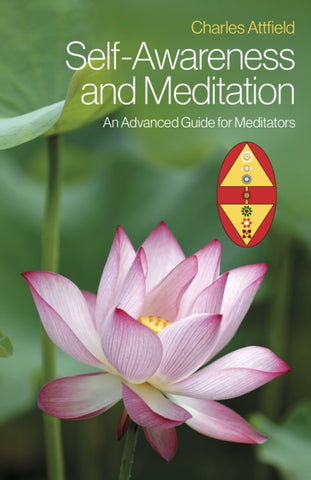
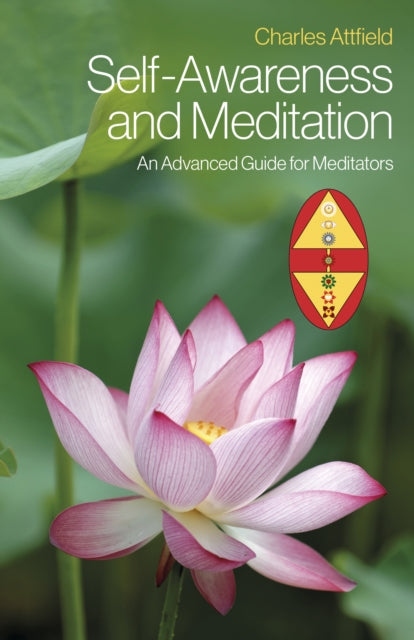
The material in here is profound and it describes meditation within the Indian tradition. The subtitle calls it an “advanced guide” and it won’t be that interesting to beginners or people who just do mindfulness. It’s a journey from illusion to truth, in a search to find the Self, which is our true nature. One of the chapters is about the Chakras, which are an important facilitator for the spiritual journey, and another discusses the Kundalini, which again is an important esoteric aspect of our bodies. There is a chapter about dreams, which is quite unusual for a book on deep meditation. The book is serious but there is a helpful glossary of terms and a comprehensive bibliography, so I feel that any experienced meditators who want to work with the book will be rewarded or at least educated.
304pp, 216 x 140 mm, Paperback, 2023, RRP £19.99
£11.10 £12.99
This book was first published more than 10 years ago and has returned in an elegant new edition. It’s from Piatkus, which is now a mainstream publisher, so it isn’t cutting edge but would be great for anyone new to this path. It includes new ways of using Reiki to heal the whole person, from the subtle energies of the aura to the physical body, for a healthier and more balanced life and unique methods of using Reiki more creatively for spiritual development and self-understanding. There are also some exclusive special meditations. The author does make Reiki look like an amazing tool for healing mind, body and spirit in many aspects. As I said, it might be a bit introductory for some of us, but it made me, a non-practitioner, into an interested fan.
288pp, 198 x 126 mm, Paperback, 2024, RRP £12.99

£12.77 £16.99
As a religion, Judaism famously is a bit vague about any potential continuation after the death of our physical body. However, Carla Wills-Brandon does uncover references to Jewish mysticism and afterlife encounters in the ancient Hebrew texts, including the Torah, the Talmud, the Zohar, the Dead Sea Scrolls, and the writings of the early Kabbalists. She shows how these works describe not only experiences of heaven but also near-death experiences (NDEs), after-death contact, reincarnation, and deathbed visions of crossed-over loved ones. She also shares accounts of modern-day spiritual encounters along the same lines. She goes on to underline that believing in life after death can give us a bigger picture and help us live a more fulfilling life. In the case of being Jewish, this can help with the vast trauma of the Holocaust, which can manifest as PTSD in later generations.
224pp, 229 x 151 mm, Paperback, 2023, RRP £16.99
£17.76 £24.99
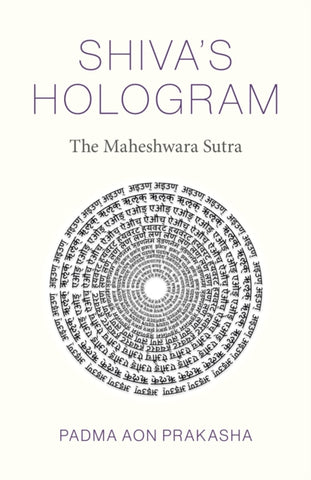
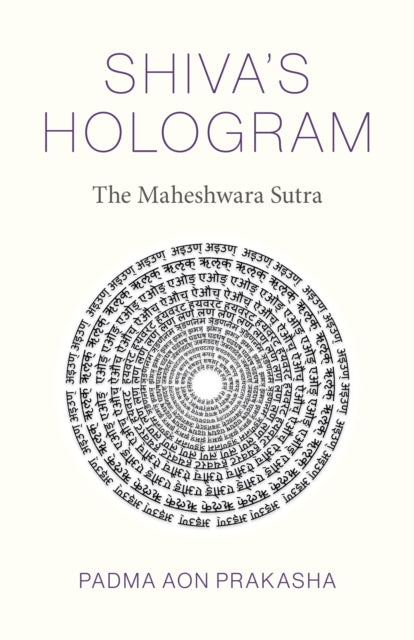
I worry sometimes that we do some books that are a bit lightweight for the Cygnus membership: this though is not one of them. The subtitle is The Maheshwara Sutra, which is attributed to Shiva and passed on to us around 2200 years ago. It is a record of the world being created by sound. The different sound keys are supposed to create vibrational shifts in us. Sound is everything. The book is over 500 pages long and includes all sorts of commentaries and glossaries that involve quantum physics, sacred geometry and varied streams of classical Indian wisdom. I don’t claim to understand one tenth of it, but the author has written many other books on connected subjects and I trust what he says. Books like these can lead to astounding spiritual journeys.
520pp, 216 x 140 mm, Paperback, 2023, RRP £24.99
£9.44 £12.99
The (mis) use of alcohol and how to have a positive relationship with it have been re-examined by the younger generation and they have found new ways to deal with alcohol and drug-related issues that stretch well beyond the 12 steps of Alcoholics Anonymous. Kayla Lyons is part of this generation and in this book she shares some of these new ways with us. It’s an inclusive and non-judgemental guide that provides scientifically backed tools that help to create a relationship with alcohol that works for each of us individually, from cold exposure therapy to sound healing and beyond. She explores the roots of drinking behaviours and triggers, advises how to overcome backsliding behaviours, and gives tips and advice on real-life scenarios.
336pp, 215 x 136 mm, Paperback, 2023, RRP £12.99
£9.44 £12.99
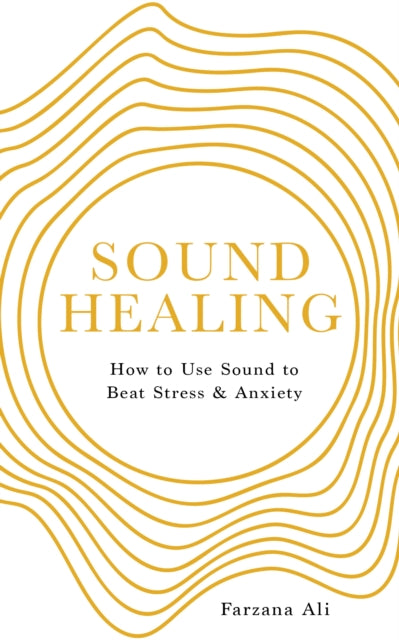
This is an interesting read. We all know how certain sounds are soothing, but not why. Here Farzana Ali delves into the science of sound and shows us the amazing therapeutic benefits it has, especially in combating stress and anxiety. Thus we learn about the effect of sound on the brain, the different types of sounds and how they work, plus what connects sound healing to mindfulness and being in nature. With practical tips and activities that we can use in our daily lives, and helpful information on what other techniques to use alongside sound healing, this book really makes it easy to tune into and use this soothing form of healing. It includes a link to a free digital sound recording that we can use as a basis for their own practices at home, so in this regard it will be helpful to have a smartphone or a computer.
256pp, 216 x 135 mm, Paperback, 2024, RRP £12.99
£12.77 £16.99
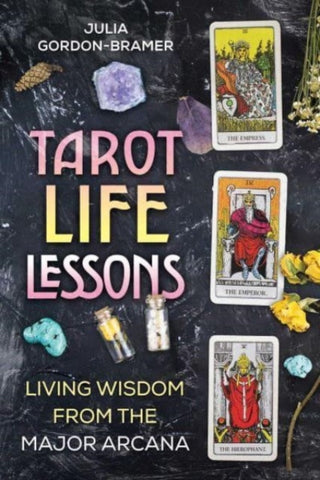
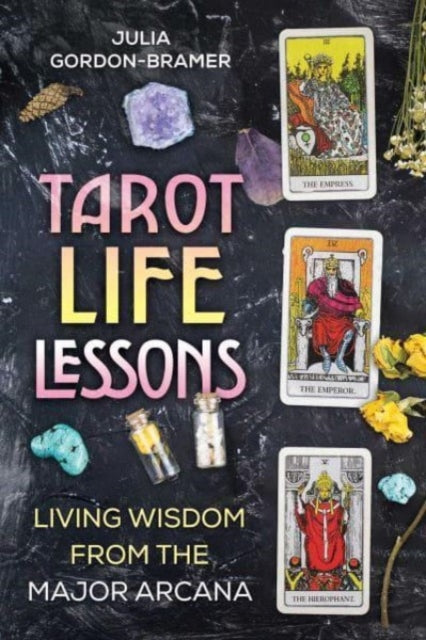
We don’t normally include tarot books in Cygnus but I thought this book was a deserving exception to the rule. Every major arcana card has a chapter to itself and then every chapter is a story. The author is a professional reader and she has been doing it for decades, so she has a rich store of personal accounts to draw on. It’s refreshing because it feels like you learn about the cards without trying – and regular tarot books can be a bit intimidating. There are also boxes at the end of every chapter on separate subjects like where to do a reading and where to keep your cards; in this way you can see how readings work in real life and how abstract wisdom gets involved with living breathing people.
224pp, 229 x 152 mm, Paperback, 2024, RRP £16.99
£12.21 £15.99
We all want to avoid degenerative disease and we can help ourselves by moving towards an alkaline, anti-inflammatory, and antioxidantrich diet. The Alkaline Life will provide you with all the tools you need to meet your nutrition goals and feel better in every way. The author begins by providing the science-backed facts behind the alkaline diet, how to do it, and why it works. Then he dives into how the alkaline diet can work for you specifically based on your own individual goals. Finally, he provides delicious and nutritious alkaline-orientated recipes that will motivate you to stick with this feel-good lifestyle in a practical way. It’s from the author of The Alkaline Reset Cleanse.
336pp, 229 x 152 mm, Paperback, 2024, RRP £15.99

£13.32 £18.99
As ever with many of these books the subtitle is descriptive and helpful: Homeopathy for Existential Stress. Homeopathy is a bit of a specialist subject, but I think this book is very useful and it’s something that most Cygnus members would be sympathetic to. Existential stress must be at epidemic levels now and these homeopathic interventions strike me as very good routes into working with stress, using more subtle energetic channels. The book explains a lot about homeopathy and puts it into context and it ends up being an invaluable guide to alternative healing modalities in general – the author is a qualified acupuncturist as well as a homeopath. The text is really intriguing and the author discusses some fascinating philosophical issues, as well as providing practical remedies.
224pp, 228 x 152 mm, Paperback, 2023, RRP £18.99
£17.76 £25.00
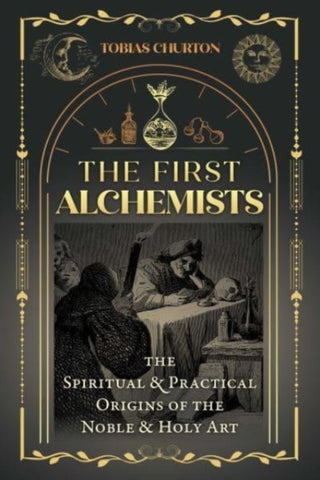
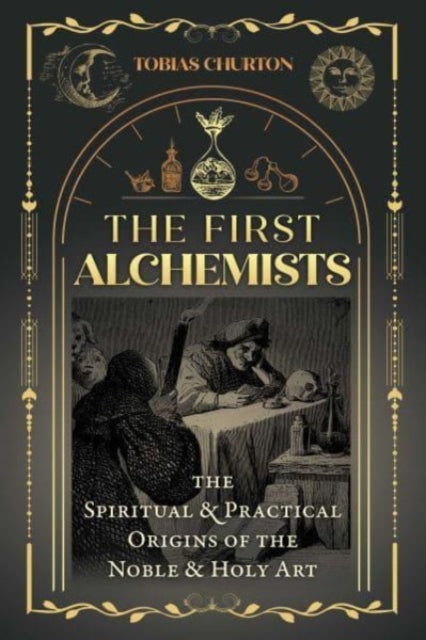
Tobias Churton is a great author for highly readable yet well-researched accounts of historical figures involved in spiritual work or of esoteric movements or moments in history. In his latest book he describes the early alchemists, usually operating in the classical world, like Zosimos of Panopolis and Theosebeia, who both lived in Egypt. It’s serious and not full of knockabout anecdotes, but in learning about this phase of history, we learn more about esoteric inquiry and the foundations of both chemistry and the occult. We also learn a lot in a conversational way about a subject that can be quite challenging. The secrecy that surrounded their work helped give the lustre or mystery to what’s known as The Royal Art.
320pp, 229 x 152 mm, Paperback, 2024, RRP £25.00
£10.55 £14.99
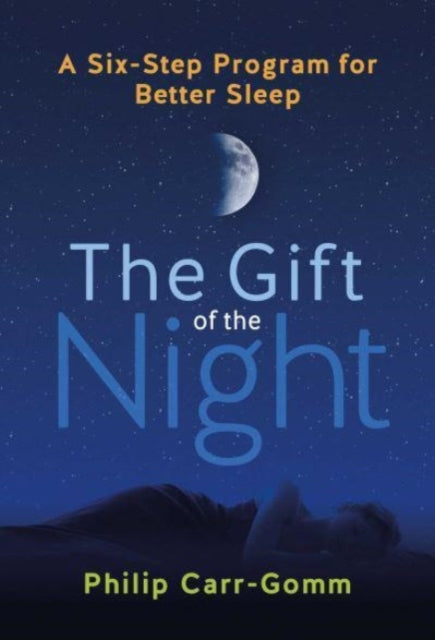
We know Philip best as the former head of the Order of Bards, Ovates and Druids, but he is also a very experienced psychotherapist. There are a lot of books out there now about sleep, because it’s an area of such stress and anxiety, but he is able to combine his knowledge of sleep science and cognitive behavioural therapy (CBT) with rich techniques drawn from spiritual traditions and even insights from the emerging field of psychedelic therapy. More than one third of adults suffer from insomnia or some other kind of sleep disorder, and here he presents a fast and easy six-step approach for addressing these problems. He recommends 13 natural ways we can drift into a deep sleep, including hypnotherapy, Yoga Nidra, sophrology and progressive muscle relaxation, and provides scripts for 5 of these techniques.
192pp, 228 x 152 mm, Paperback, 2023, RRP £14.99
£7.76 £10.99
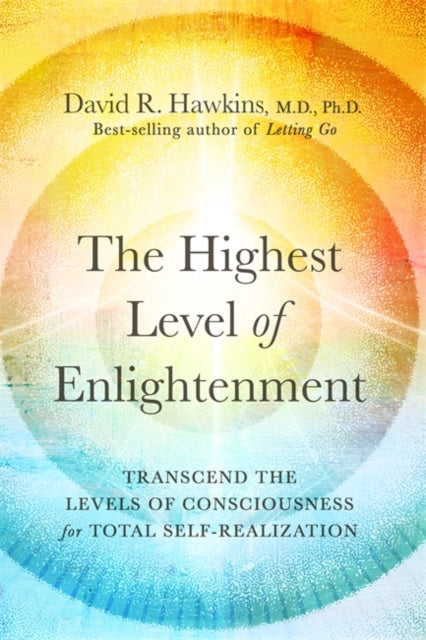
If you’re a fan of David Hawkins then you’ll be pleased to see this new book that has been created using transcripts from his workshops and audio programmes. It’s a lovely way to introduce his extraordinary map of consciousness to new readers too; from his research into kinesiology (testing muscle response stimulus) and how this led him to demonstrate that the human body becomes stronger or weaker depending on the person’s mental state, to his creation of the map and all that it can tell us. Chapters include an Introduction to the Map, Transcending the Ego, Gaining Power Over the Success Game, Relief from Human Suffering and Removing the Obstacles to Love amongst others. Plus there is much more to read, from notes on his childhood to his life of science. He had so much to say, it’s worth reading again and again to fully understand all that he is telling us.
144pp, 216 x 135 mm, Paperback, 2024, RRP £10.99
© 2024 Cygnus Book Club. WATKINS MEDIA LIMITED. COMPANY REGISTRATION NUMBER: 9171151. COMPANY REGISTRATION ADDRESS: SHEPPERTON HOUSE UNIT 11, 89 SHEPPERTON ROAD, LONDON, ENGLAND, N1 3DF.